
Victoria Gardens Policies and Procedures Manual — Article Plan
This manual details guidelines for Victoria Gardens, encompassing visitor conduct, emergency protocols, and space usage. It addresses plant preservation, event hosting, maintenance, security, and historical context.

Welcome to Victoria Gardens, a premier destination in Rancho Cucamonga, designed to offer a unique blend of natural beauty, recreational opportunities, and community engagement. This manual serves as a comprehensive guide to the policies and procedures governing the use and enjoyment of our gardens. It’s intended for all visitors, event organizers, staff, and volunteers.
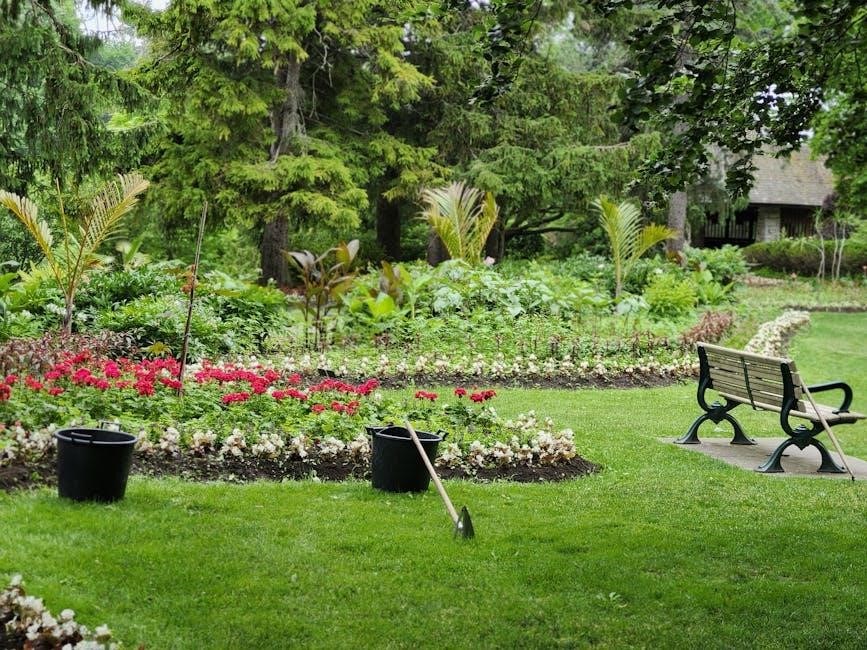
Inspired by the Victorian garden aesthetic – a period marked by hybridization and the introduction of new plant species – Victoria Gardens strives to create a captivating landscape. As a public space, we are committed to providing a safe, respectful, and sustainable environment for everyone. This commitment extends to the preservation of our flora and fauna, mirroring the dedication found in institutions like the Victoria and Albert Museum, which champions decorative arts and design.
Understanding and adhering to these guidelines ensures a positive experience for all. We encourage you to familiarize yourself with the information contained within, covering everything from general conduct to emergency procedures. This manual is regularly updated to reflect best practices and evolving needs. Your cooperation is greatly appreciated as we work together to maintain the beauty and integrity of Victoria Gardens.
II. General Conduct & Safety Regulations
To ensure a pleasant and secure environment for all visitors, Victoria Gardens enforces specific conduct and safety regulations. Respectful behavior towards staff, fellow guests, and the garden environment is paramount. Disruptive, illegal, or harmful activities are strictly prohibited.
For safety, walking and running should be conducted with awareness of surroundings. Children must be supervised at all times. Climbing on structures, including sculptures and plant displays, is forbidden. The consumption of alcoholic beverages is restricted to designated event areas with proper permits. Smoking is only permitted in designated smoking zones.
Foot traffic should adhere to marked pathways to protect sensitive plant life and prevent soil compaction. Please be mindful of the gardens’ delicate ecosystem, avoiding disturbance to flora and fauna. Reporting any unsafe conditions – damaged pathways, broken equipment, or suspicious activity – to garden staff is crucial. These regulations are in place to preserve the beauty and tranquility of Victoria Gardens for current and future generations, mirroring the care given to historical gardens like Victoria Tower Gardens in London.
III. Visitor Code of Conduct
Victoria Gardens expects all visitors to adhere to a code of conduct promoting respect, responsibility, and enjoyment for everyone. This includes refraining from loud or offensive language, respecting the privacy of others, and avoiding any behavior that could disrupt the peaceful atmosphere.
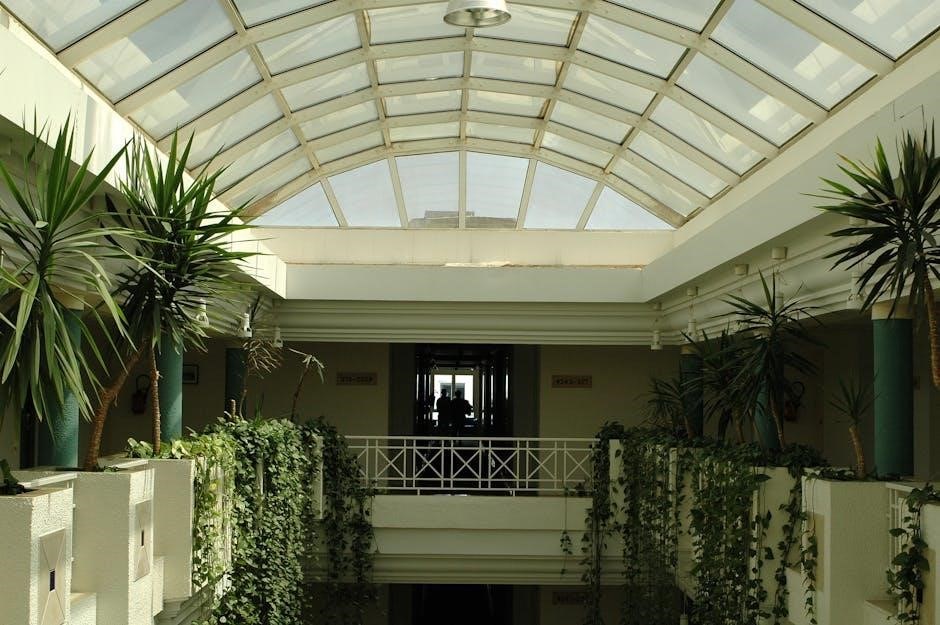
Photography is permitted for personal use, but commercial photography requires prior authorization. Drones are prohibited without explicit permission from garden management. Visitors are expected to dispose of waste properly in designated receptacles, contributing to the cleanliness and beauty of the gardens.
The collection or removal of any plant material, including flowers, seeds, or leaves, is strictly forbidden, aligning with principles of flora preservation. Pets are allowed only in designated areas and must be kept on a leash. Failure to comply with this code of conduct may result in removal from the gardens. We aim to create an environment reminiscent of the carefully curated Victorian gardens, fostering appreciation for nature and design, much like those detailed in landscape planning books.
IV. Emergency Procedures
In the event of an emergency, visitor safety is our paramount concern. Clearly marked emergency exits and first aid stations are located throughout Victoria Gardens. Should you observe a hazardous situation, immediately notify garden staff or security personnel.
For medical emergencies, dial 911 or alert a staff member who will contact emergency services. Designated assembly points will be communicated via public address system or staff direction during evacuations. Visitors should familiarize themselves with the nearest exit routes upon arrival.
Severe weather protocols, including shelter-in-place procedures, will be activated as needed. Garden operations may be temporarily suspended during inclement weather. Security personnel are trained to handle a range of emergency scenarios, ensuring a swift and coordinated response. Regular drills are conducted to maintain preparedness, mirroring the proactive approach to preservation seen in historical garden documentation. We prioritize a safe and secure environment, akin to the well-maintained spaces of the Victoria and Albert Museum.
V. Access and Usage of Garden Spaces
Victoria Gardens welcomes all visitors during designated operating hours, clearly posted at entrances and on our website. Access to certain areas may be restricted for maintenance, events, or plant preservation purposes, mirroring careful landscaping practices documented in historical garden planning resources.
General admission is free, however, specific events may require ticket purchases. Visitors are expected to remain on designated pathways to protect sensitive plant life and garden structures. Running, climbing on structures, and disruptive behavior are prohibited.
Photography is permitted for personal use, but commercial photography requires prior authorization. The use of drones or other unmanned aerial vehicles is strictly prohibited without written consent. We strive to create an inclusive environment, ensuring accessibility for individuals with disabilities, reflecting a commitment to public enjoyment similar to that of Victoria Tower Gardens. Respectful usage ensures the gardens remain a beautiful space for all, echoing the dedication to design found in Victorian-era gardens.
VI. Permitted Activities
Victoria Gardens encourages passive recreational activities that align with its serene atmosphere. These include leisurely strolls, picnicking in designated areas, sketching and painting en plein air, and quiet reading; Observing and photographing the diverse flora and fauna, like the Victoria amazonica water lily, is highly encouraged, fostering appreciation for horticultural practices.
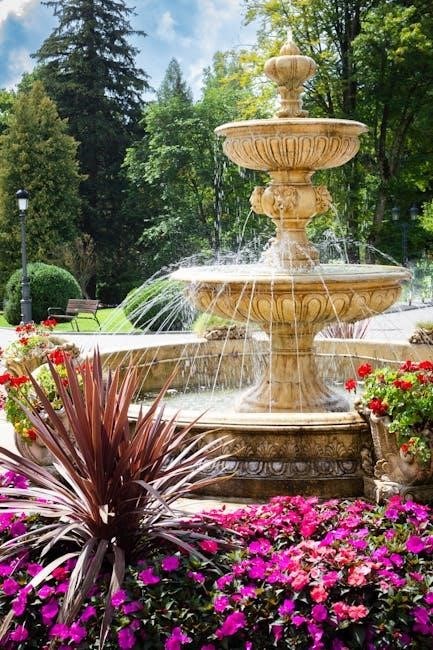
Educational activities, such as guided nature walks led by approved organizations, are permitted with prior arrangement. Small, informal gatherings of families and friends are welcome, provided they do not disrupt other visitors or damage garden features.
We support responsible engagement with nature, allowing visitors to learn about plant species and garden design, mirroring the objectives of landscape planning. Approved events, outlined in the Event Hosting Policies, are also permitted. These activities contribute to the garden’s vibrancy, while upholding its aesthetic integrity and preserving its historical character, much like the Victoria and Albert Museum’s dedication to design.
VII. Restricted Activities
To maintain the tranquility and health of Victoria Gardens, certain activities are strictly prohibited. These include running, cycling, skateboarding, and the use of wheeled devices outside designated pathways. Amplified music, loud noises, and disruptive behavior are not permitted, ensuring a peaceful environment for all visitors.
The removal or disturbance of any plant life, including flowers, seeds, or foliage, is forbidden. Feeding the wildlife is also prohibited, as it disrupts the natural ecosystem. Commercial photography or videography requires prior written consent and adherence to specific guidelines.
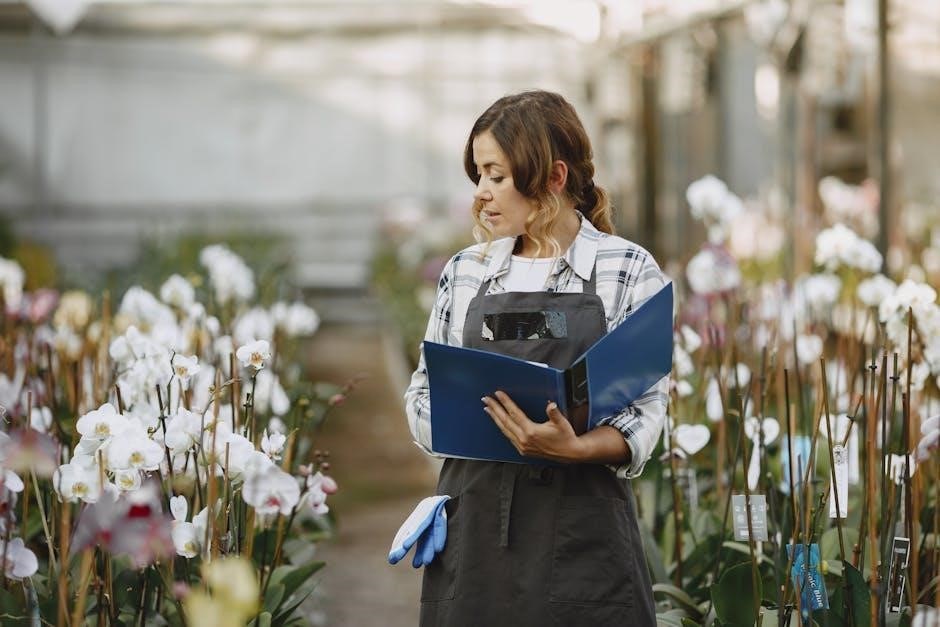
Furthermore, activities that could damage garden structures, such as climbing on statues or fences, are strictly prohibited. The introduction of external items, like drones or large sporting equipment, is restricted. Any activity that violates the Visitor Code of Conduct or compromises the safety and security of the gardens will not be tolerated, upholding the garden’s preservation, similar to the National Trust’s approach to Victorian gardens.
VIII. Plant and Property Protection
Victoria Gardens is committed to preserving its unique botanical collections and physical infrastructure. This section outlines the responsibilities of all visitors and staff in safeguarding these valuable assets. Intentional damage to plants, trees, shrubs, or any garden feature will not be tolerated and may result in legal repercussions.
All visitors are expected to remain on designated pathways and avoid trampling vegetation. The collection of plant material, including seeds, flowers, and leaves, is strictly prohibited, mirroring preservation efforts in botanical gardens like Brno’s. Any observed instances of plant damage or vandalism should be immediately reported to garden security.
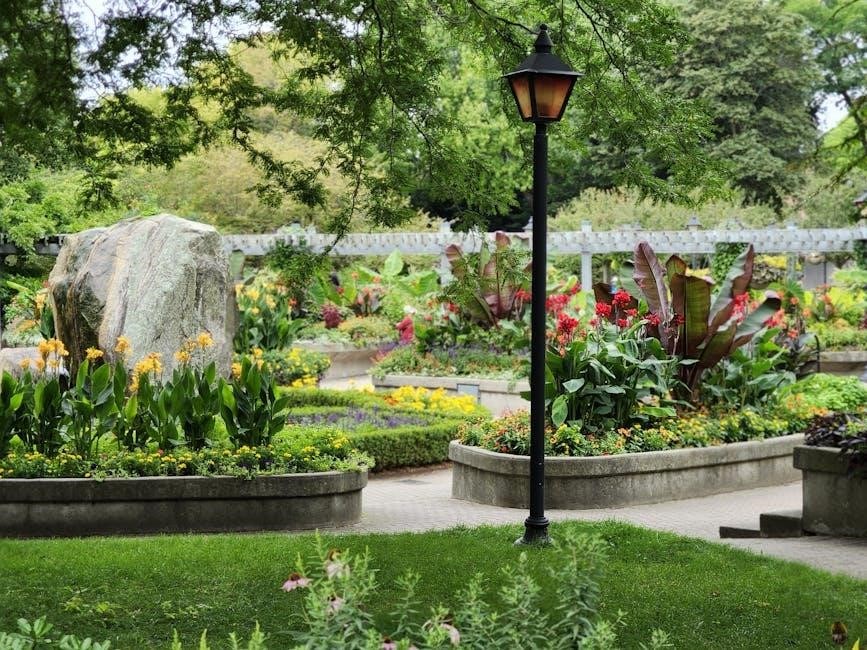
Protection extends to all garden structures, including buildings, statues, fountains, and furniture. Visitors are responsible for any damage they cause, intentionally or unintentionally. Regular inspections are conducted to identify and address potential hazards, ensuring the long-term health and beauty of Victoria Gardens, reflecting the care given to Victorian-era gardens.
IX. Flora and Fauna Preservation
Victoria Gardens recognizes the intrinsic value of its diverse ecosystem and is dedicated to the preservation of both its flora and fauna. This commitment extends to protecting native plant species, cultivated gardens – reminiscent of Victorian hybridization efforts – and the wildlife that inhabits the grounds.
Visitors are requested to observe wildlife from a respectful distance and refrain from feeding any animals. Introducing non-native species or disturbing natural habitats is strictly prohibited. The Gardens employ sustainable landscaping and horticultural practices to minimize environmental impact and promote biodiversity, aligning with current green gardening trends.
Efforts are made to control invasive plant species and maintain a healthy balance within the garden’s ecosystem. Staff regularly monitor plant health and implement appropriate conservation measures. The preservation of Victoria Gardens’ natural beauty relies on the cooperation of all visitors in respecting and protecting its delicate ecological balance, mirroring the dedication found in institutions like the V&A.
X. Damage to Property – Reporting & Liability
Victoria Gardens strives to maintain a pristine environment for all visitors. However, accidental damage to garden structures, plant life, or other property may occur. Visitors are responsible for any damage they or members of their party cause, whether intentional or unintentional.
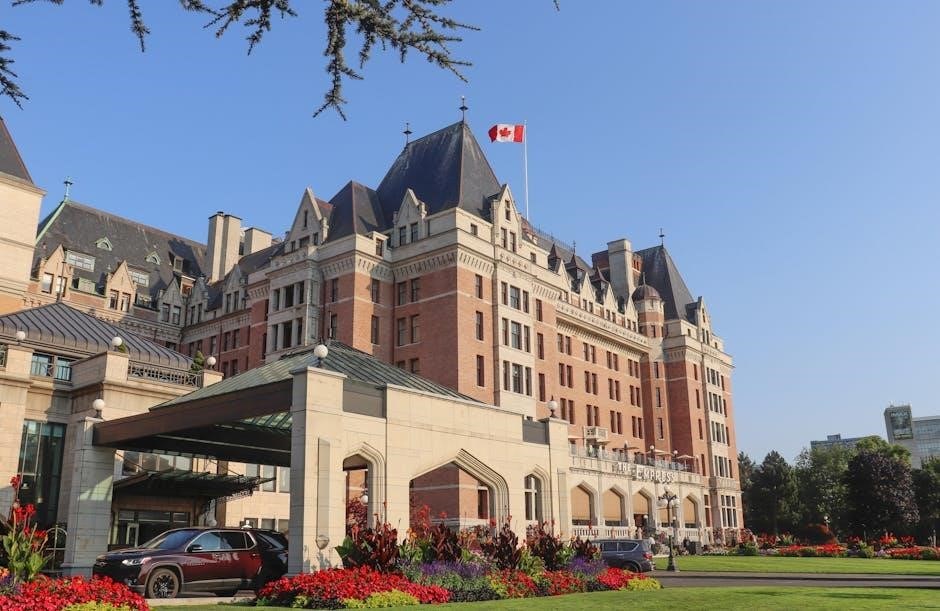
Any damage, regardless of perceived severity, must be reported immediately to Garden Security or a member of the Victoria Gardens staff. A detailed incident report will be required, including a description of the damage, the time and location of the incident, and contact information for all involved parties.
The Gardens reserve the right to assess the cost of repairs or replacement and to pursue reimbursement from the responsible party. Liability for damage extends to actions that violate the Visitor Code of Conduct or disregard established safety regulations. Failure to report damage may result in further consequences. Maintaining the integrity of the Gardens, much like preserving historical sites, is a shared responsibility.
XI. Event Hosting Policies
Victoria Gardens welcomes event applications that align with its mission of providing a beautiful and accessible public space. However, all events require prior approval and adherence to specific policies designed to protect the Gardens’ environment and ensure a positive experience for all visitors.
Event hosting is a privilege, not a right, and approval is contingent upon factors including event type, anticipated attendance, potential impact on garden resources, and adherence to all applicable regulations. Events must complement the Gardens’ aesthetic and not detract from its peaceful atmosphere. Consideration will be given to events promoting horticultural appreciation, artistic expression, and community engagement.
Commercial events are subject to additional fees and restrictions. All event hosts are responsible for obtaining necessary permits and insurance. Detailed guidelines regarding setup, teardown, noise levels, waste management, and security will be provided upon application approval. Like preserving Victorian-era gardens, careful planning is essential.
XII. Event Application Process
To request event hosting privileges at Victoria Gardens, applicants must submit a completed Event Application Form at least 90 days prior to the proposed event date. This form, available on the Victoria Gardens website and at the administrative office, requires detailed information about the event’s nature, scope, and logistical requirements.
The application must include a comprehensive site plan illustrating proposed setup areas, vendor locations (if applicable), and traffic flow. Applicants must also provide proof of liability insurance, outlining coverage for potential incidents during the event. A non-refundable application fee of $50 is required to cover administrative costs.
Submitted applications will be reviewed by the Events Committee, who will assess their compatibility with Gardens’ policies and potential impact. Applicants may be contacted for clarification or to schedule a site visit. Approval or denial will be communicated in writing within 60 days of submission. Approved events will then receive a detailed event agreement outlining specific terms and conditions.
XIII. Event Restrictions & Guidelines
All events hosted at Victoria Gardens must adhere to specific restrictions designed to protect the Gardens’ environment and ensure a positive experience for all visitors. Amplified sound is limited to designated areas and must comply with local noise ordinances, concluding by 9:00 PM. Open flames, including candles and propane heaters, are strictly prohibited without prior written consent and adherence to fire safety regulations.
The use of tents and temporary structures requires prior approval and must not obstruct pathways or damage landscaping. Vendors are responsible for their own waste removal and must utilize designated disposal facilities. Alcohol consumption is permitted only with a valid permit obtained through the local authorities, and security personnel may be required;
Events cannot disrupt regular Gardens’ operations or impede visitor access. Decorations must be tasteful and environmentally friendly, avoiding materials that could harm plants or wildlife. Post-event cleanup is the responsibility of the event host, restoring the event space to its original condition. Failure to comply with these guidelines may result in event termination and future application denial.
XIV. Victoria Gardens Maintenance Procedures
Maintaining the beauty and health of Victoria Gardens requires a comprehensive and consistent approach. Landscaping and horticultural practices prioritize plant health, utilizing sustainable methods and minimizing pesticide use, reflecting current green gardening ideas. Regular pruning, weeding, and fertilization schedules are implemented to ensure vibrant displays throughout the year.
Cleaning and waste management are conducted daily, with designated staff responsible for litter removal, restroom sanitation, and emptying waste receptacles. Recycling programs are actively promoted to reduce environmental impact. Irrigation systems are monitored and adjusted based on weather conditions to conserve water resources.
Routine inspections of pathways, benches, and other infrastructure are performed to identify and address maintenance needs promptly. Any damage to plants, structures, or equipment must be reported immediately to the maintenance supervisor. Seasonal tasks, such as leaf removal and winter protection for sensitive plants, are scheduled and executed efficiently, ensuring year-round appeal.
XV. Landscaping & Horticultural Practices
Victoria Gardens’ landscaping adheres to principles of aesthetic appeal and ecological sustainability. Horticultural practices focus on plant health, biodiversity, and responsible resource management. Plant selection prioritizes species appropriate for the local climate, minimizing water consumption and maintenance requirements. Hybridization and the introduction of new plant species are considered, enhancing the garden’s visual diversity.

Pruning is conducted seasonally to maintain plant shape, promote flowering, and remove dead or diseased branches. Fertilization utilizes organic amendments whenever possible, enriching the soil and supporting healthy growth. Integrated Pest Management (IPM) strategies are employed to control pests and diseases with minimal environmental impact.
Regular soil testing informs fertilization and amendment schedules, ensuring optimal nutrient levels. Mulching is applied to conserve moisture, suppress weeds, and regulate soil temperature. Landscape designs incorporate principles of Victorian garden aesthetics, blending formal and informal elements to create a harmonious and inviting atmosphere, referencing historical garden styles.
XVI. Cleaning & Waste Management
Maintaining a pristine environment at Victoria Gardens is paramount. A comprehensive cleaning schedule is implemented, encompassing all public areas, restrooms, and event spaces. Daily litter removal ensures pathways and garden beds remain free of debris. Regular sweeping, washing, and disinfecting of surfaces prevent the spread of germs and maintain hygiene standards.
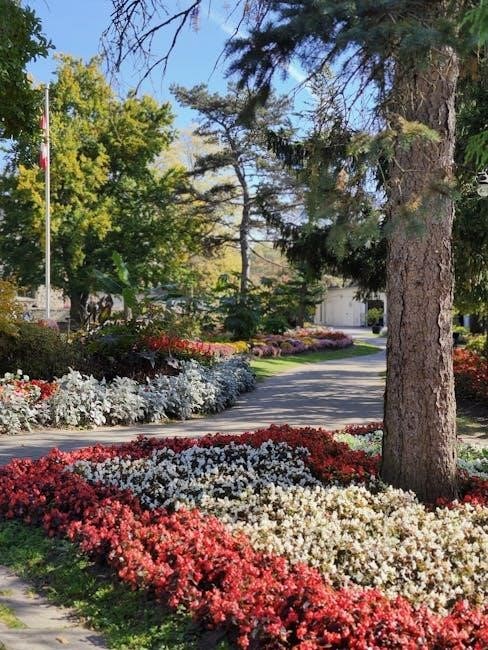
Waste management practices prioritize reduction, reuse, and recycling. Clearly labeled receptacles are strategically placed throughout the gardens for trash, recyclables, and compostable materials. Organic waste, such as leaves and grass clippings, is composted on-site for use in landscaping, reducing landfill waste and enriching soil quality.
Cleaning staff utilize environmentally friendly cleaning products whenever possible, minimizing the impact on plants, wildlife, and water sources. Regular inspections are conducted to identify and address cleaning deficiencies. Proper disposal of hazardous waste, such as paint and chemicals, adheres to all applicable regulations, ensuring environmental protection and responsible stewardship.
XVII. Security Protocols
Ensuring the safety and security of all visitors and the integrity of Victoria Gardens is a top priority. A multi-layered security approach is employed, combining proactive measures with responsive protocols. Security personnel regularly patrol the grounds, providing a visible deterrent to potential criminal activity and offering assistance to visitors.
Surveillance systems, including strategically placed cameras, monitor key areas of the gardens, providing real-time observation and recorded footage for incident review. All security personnel are trained in emergency response procedures, including first aid, CPR, and conflict resolution. Collaboration with local law enforcement agencies ensures a swift and coordinated response to any serious incidents.
Access control measures are implemented during non-operational hours, restricting entry to authorized personnel only. Regular security assessments are conducted to identify vulnerabilities and enhance security measures. A comprehensive lost and found system is in place to assist visitors in recovering misplaced items, documented with detailed records for accountability and efficient return.
XVIII. Surveillance & Monitoring
Victoria Gardens utilizes a comprehensive surveillance and monitoring system to enhance security and ensure visitor safety. This system incorporates strategically positioned closed-circuit television (CCTV) cameras covering key access points, pedestrian walkways, and vulnerable areas throughout the gardens. All camera feeds are continuously monitored by trained security personnel in a dedicated control room.
Recorded footage is securely stored for a defined period, adhering to privacy regulations, and is readily available for incident investigation and evidence provision to law enforcement. The system is regularly maintained and upgraded to incorporate the latest technological advancements in surveillance capabilities. Signage clearly indicates the presence of CCTV surveillance to promote transparency and deter potential misconduct.
Beyond visual monitoring, the system includes perimeter security sensors and alarm systems to detect unauthorized access during non-operational hours. Regular audits of the surveillance system are conducted to verify functionality and ensure compliance with established security protocols. Data collected is used to analyze trends and proactively address potential security concerns.
XIX. Lost and Found Procedures
Victoria Gardens maintains a centralized Lost and Found department to assist visitors who have misplaced personal belongings. Any item discovered within the gardens should be immediately turned in to the Security Office located near the main entrance, or to any Victoria Gardens staff member. A detailed report, including the date, time, and location of the found item, will be documented.
Lost items are carefully cataloged and stored securely for a period of thirty (30) days. Descriptions of lost items will be posted on the Victoria Gardens website and a physical bulletin board at the Security Office. Visitors who have lost an item are encouraged to file a lost item report with the Security Office, providing a detailed description of the item and contact information.
After the thirty-day holding period, unclaimed items will be donated to local charitable organizations. Victoria Gardens is not responsible for items not reported or claimed within the designated timeframe. High-value items, such as electronics or jewelry, will be handled with increased security measures and may be turned over to local law enforcement.
XX. Historical Context & Garden Design (Victorian Gardens)
Victoria Gardens draws inspiration from the Victorian garden era (1837-1901), a period marked by romanticism and a fascination with botanical collections. This era witnessed a surge in hybridization and the introduction of new plant species from around the globe, influencing garden aesthetics.
Victorian gardens were characterized by elaborate designs, often incorporating formal layouts, intricate flowerbeds, and ornamental features. Key elements included symmetrical paths, sculpted hedges, and the use of vibrant, contrasting colors. The Victorian aesthetic also embraced the concept of ‘gardenesque’ design, mimicking natural landscapes within a controlled environment.
The design of Victoria Gardens reflects these historical influences, aiming to recreate the grandeur and beauty of Victorian landscapes. Careful consideration has been given to plant selection, ensuring a diverse and visually appealing collection. The garden’s layout incorporates both formal and informal elements, creating a harmonious blend of structure and naturalism. Preservation of this historical context guides ongoing maintenance and future development.
XXI; Contact Information & Feedback Mechanisms
For inquiries regarding Victoria Gardens policies, procedures, or general information, please utilize the following contact methods. Our dedicated Garden Administration office is available via phone at (555) 123-4567 during business hours, Monday through Friday, 9:00 AM to 5:00 PM.
Email correspondence can be directed to info@victoriagardens.org. We strive to respond to all email inquiries within 48 business hours. For urgent matters requiring immediate attention, please contact our on-site security team at (555) 987-6543.
We value visitor feedback and encourage suggestions for improvement. A dedicated feedback form is available on our website (www.victoriagardens.org/feedback) allowing visitors to submit comments, concerns, or compliments. Physical feedback forms are also located at the Garden Information Center. All feedback is reviewed regularly by the Garden Management team to enhance the visitor experience and refine operational procedures.