
Cuisinart Automatic Bread Maker Instructions: A Comprehensive Guide
Welcome! This guide details operation of your Cuisinart bread maker, covering setup, basic loaves, advanced features, troubleshooting, and delightful recipes for baking success․
Understanding Your Cuisinart Bread Maker
Your Cuisinart bread maker is designed for convenient, automated bread baking, offering a range of settings to suit diverse preferences․ Familiarizing yourself with its capabilities is key to achieving consistently excellent results․ This appliance simplifies the bread-making process, handling kneading, rising, and baking within a single unit․
The machine’s functionality extends beyond basic loaves; it can also create doughs for pastries, pizzas, and more․ Understanding the interplay between ingredients, pre-programmed settings, and custom adjustments empowers you to experiment and tailor recipes to your liking․ The convection models, like the CBK-200C, further enhance baking performance․
Before diving in, review the instruction and recipe booklet – a valuable resource for maximizing your bread maker’s potential․ This manual details each function and provides guidance for optimal operation, ensuring a rewarding baking experience․
Model Variations & Compatibility
Cuisinart offers a diverse range of automatic bread makers, each with unique features and capabilities․ The CBK-200C, a convection bread maker, represents a popular model known for its even baking․ Other variations may include models with differing loaf capacities, pre-programmed settings, and control panel designs․
Compatibility primarily revolves around recipe adaptation․ While many recipes are universally applicable, adjustments may be necessary based on your specific model’s wattage and heating elements․ Always refer to your machine’s instruction manual for recommended ingredient quantities and baking times․
Generally, Cuisinart bread makers are designed to work with standard household electrical outlets․ Ensure your outlet voltage matches the appliance’s requirements․ Utilizing compatible accessories, like extra bread pans, can expand your baking options․ Exploring online resources and user forums can provide insights into specific model performance and compatibility nuances․
Key Components & Parts Identification
Understanding your Cuisinart bread maker’s components is crucial for successful operation․ The core elements include the bread pan, typically non-stick for easy loaf removal, and the kneading paddle, responsible for mixing ingredients․ A heating element ensures even baking, while the control panel facilitates setting selection and operation․
The lid houses the viewing window, allowing monitoring of the baking process; Many models feature a removable lid for convenient access․ The exterior casing provides insulation and structural support․ Inside, you’ll find the paddle holder, securing the kneading paddle during operation․
Familiarize yourself with the power cord and ensure it’s securely connected․ The instruction manual often includes a detailed diagram identifying each part․ Proper identification aids in cleaning, maintenance, and troubleshooting, ensuring longevity and optimal performance of your bread maker․
Getting Started: Initial Setup
Begin by unpacking your Cuisinart bread maker, inspecting for damage, cleaning all removable parts, and performing an initial power-on test for functionality․
Unpacking and Inspection
Carefully remove your Cuisinart bread maker from its packaging, ensuring all packing materials are accounted for․ Inspect the unit thoroughly for any visible signs of damage that may have occurred during shipping․ This includes checking the exterior housing, the bread pan, the kneading paddle, and the power cord․
Verify that all included accessories are present: the bread pan, kneading paddle, measuring cup, and measuring spoon․ Refer to the included parts list in the instruction manual to confirm everything is present․ If any parts are missing or damaged, do not attempt to operate the bread maker․ Contact Cuisinart customer support immediately for assistance and replacement parts․ Retain the original packaging for potential returns or warranty claims․ A detailed inspection now prevents issues later!
Cleaning Before First Use
Prior to your initial baking adventure, a thorough cleaning is essential․ Remove the bread pan and kneading paddle from the machine․ Wash both components in warm, soapy water; ensure all residue is removed․ The bread pan is often non-stick, so avoid abrasive cleaners that could damage the coating․
Wipe down the exterior of the bread maker with a damp cloth․ Never immerse the main unit in water or any other liquid․ The heating element and electrical components must remain dry․ Allow all parts to air dry completely before reassembling and using the bread maker․ This initial cleaning process eliminates any manufacturing residues and ensures a hygienic baking environment․ A clean machine yields the best results, guaranteeing delicious, fresh bread!
Powering On & Initial Testing
After ensuring all components are dry and properly assembled, plug your Cuisinart bread maker into a grounded electrical outlet․ Power on the machine using the power button – typically located on the front panel․ To perform an initial test, select a simple program like ‘Basic’ or ‘White Bread’ without adding any ingredients․ This confirms the heating element and mechanical functions are operating correctly․
Observe the kneading paddle and heating cycle․ Listen for any unusual noises during operation․ Run the machine through a complete cycle, even without ingredients, to burn off any residual manufacturing oils․ This initial run may produce a slight odor, which is normal․ Once the cycle completes, unplug the bread maker and allow it to cool completely before proceeding to your first loaf․
Basic Operation: Making Your First Loaf
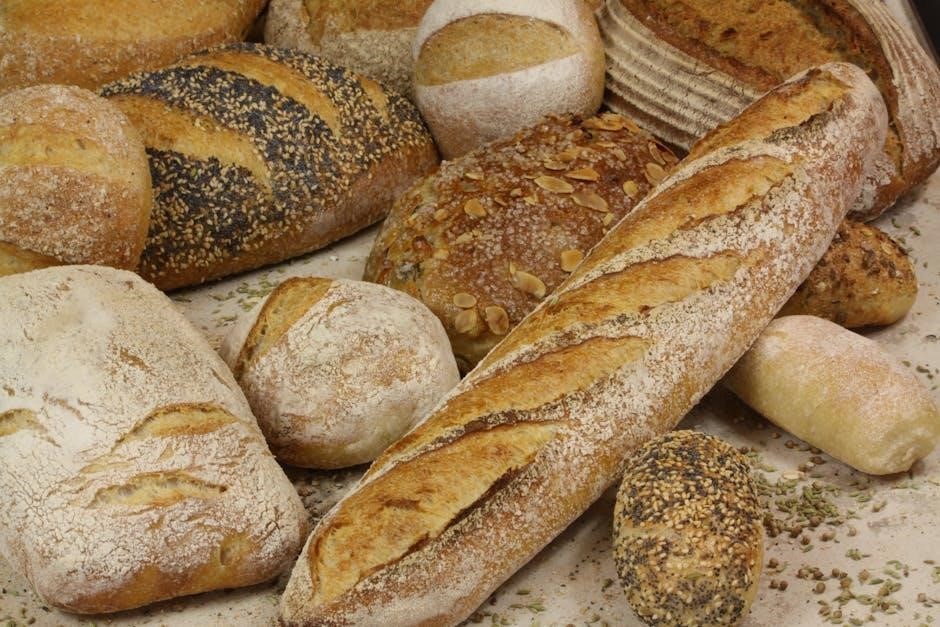
Begin by carefully adding ingredients in the correct order – liquids first, then dry, with yeast last – and select the ‘White Bread’ pre-programmed setting․
Ingredient Order & Importance
Achieving optimal results with your Cuisinart bread maker hinges on the precise order of ingredient addition․ Liquids always go in first, providing a base for proper mixing and hydration․ Following liquids, add dry ingredients – flour, sugar, salt – ensuring they are evenly distributed․
Crucially, yeast is added last․ This prevents premature activation and ensures it rises at the correct stage of the baking cycle․ Direct contact between yeast and liquids before the mixing process begins can compromise its effectiveness․
Ingredient quality matters; use fresh yeast for the best rise․ Accurate measurements are also vital – too much or too little of any ingredient can affect the texture and taste of your bread․ Following the recipe closely, especially regarding yeast and liquid ratios, is paramount for consistent, delicious loaves․
Using the Pre-Programmed Settings (White Bread)
For a classic loaf, the “White Bread” setting is your starting point․ After adding ingredients in the correct order – liquids, dry, then yeast – securely close the bread maker lid․ Press the “Menu” button repeatedly until the “White Bread” program illuminates on the display panel․
Next, select your desired crust color using the “Crust” button․ Options typically include light, medium, and dark․ Finally, choose your loaf size – 1․5lb or 2․0lb – by pressing the “Loaf” button․
Press “Start” to begin the cycle․ The bread maker will handle kneading, rising, and baking automatically․ Avoid opening the lid during baking, as this can affect the loaf’s rise․ Once the cycle completes, carefully remove the loaf using oven mitts, as the bread pan will be hot․
Crust Control & Loaf Size Selection
Customize your loaf with Cuisinart’s intuitive controls․ The “Crust” button allows you to select your preferred level of browning: light, medium, or dark․ Experiment to find your ideal crust – a darker crust offers a more robust flavor and texture․ Remember, humidity and ingredient variations can subtly impact the final result․
Loaf size is equally important․ Use the “Loaf” button to choose between 1․5lb and 2․0lb options․ Smaller loaves bake faster and are perfect for smaller households․ Larger loaves are ideal for families or for making sandwiches throughout the week․
Always consider the recipe when selecting loaf size; some recipes are specifically formulated for a particular capacity․ Proper loaf size selection ensures even baking and optimal texture․
Advanced Features & Settings
Explore beyond basics! Utilize the delay timer, customize recipes with ingredient adjustments, and unlock gluten-free baking options for diverse, delicious results․
Delay Timer Functionality
Convenience at your fingertips! The delay timer allows you to schedule bread baking up to 13 hours in advance, ensuring fresh bread precisely when you desire it․ To utilize this feature, press the “Delay” button․ The display will show the current delay time, which you can adjust using the “Hour” and “Minute” buttons․
Remember that ingredients requiring refrigeration, like milk or eggs, should be added with caution when using the delay timer, especially during warmer months․ Consider using room temperature ingredients or shortening the delay time to maintain freshness and proper rising․ Always ensure the paddle is securely in place before setting the delay timer․ The bread maker will automatically begin the baking cycle at the programmed time, delivering a warm loaf ready for enjoyment․ Experiment with different delay times to find what best suits your schedule!
Customizing Recipes: Adjusting Ingredients
Unleash your inner baker! While pre-programmed settings are convenient, customizing recipes unlocks a world of flavor possibilities․ Adjusting ingredient amounts requires understanding their roles․ More flour results in denser bread, while more liquid creates a softer crumb․ Sugar influences sweetness and browning, and fat contributes to tenderness․
When experimenting, make small adjustments – a tablespoon at a time – and carefully observe the results․ Note changes in texture, rise, and overall taste․ Different flour types absorb liquids differently, so adjustments may be needed․ Always maintain the correct liquid-to-dry ingredient ratio for optimal results․ Keep a baking journal to record your modifications and successes, creating personalized bread recipes tailored to your preferences․ Don’t be afraid to explore and innovate!
Gluten-Free Baking Options
Baking without gluten? Your Cuisinart bread maker can accommodate gluten-free diets with careful ingredient selection and adjustments․ Gluten provides structure, so gluten-free recipes require binding agents like xanthan gum or psyllium husk to mimic this effect․
Utilize gluten-free flour blends specifically formulated for bread making, as single flours often lack the necessary protein content․ Expect a slightly different texture – gluten-free bread tends to be more crumbly․ The dough cycle may appear wetter than traditional bread dough, which is normal․ Monitor the rise closely, as gluten-free doughs often require a longer proofing time․ Experiment with different gluten-free flour combinations to achieve your desired texture and flavor․ Remember to consult dedicated gluten-free bread recipes for best results․
Troubleshooting Common Issues
Encountering problems? This section addresses frequent issues like insufficient rising, paddle mishaps, and deciphering error codes for a seamless baking experience․
Bread Not Rising Properly
Insufficient rise is a common concern․ Several factors contribute to this issue; First, ensure your yeast is fresh and properly activated; old yeast loses potency․ Verify the liquid temperature – too hot kills the yeast, while too cold hinders activation․
Accurate ingredient measurements are crucial; too much salt inhibits yeast activity․ Also, check the dough consistency; it should be slightly tacky but not overly wet or dry․ The ambient room temperature also plays a role; a cold environment slows down rising․
Finally, confirm the bread maker’s lid is securely closed during the rising cycle․ If the problem persists, try using a different brand of yeast or slightly increasing the yeast quantity (within recipe guidelines)․ A properly risen loaf is the foundation of delicious bread!
Paddle Stuck in Bread
A stuck paddle is a frequent issue, particularly with denser doughs․ Typically, it occurs because the dough hasn’t fully released from the paddle after baking․ Allow the loaf to cool completely within the bread maker before attempting removal․
Gently loosen the dough around the paddle with a silicone spatula or a non-metallic utensil – avoid metal, which can damage the non-stick coating․ If it remains firmly lodged, try carefully tilting the bread pan to shift the loaf’s weight․
Some recipes, especially those with large amounts of nuts or seeds, are more prone to this․ Consider reducing these additions slightly․ Ensure the paddle is correctly seated on its drive shaft before starting the baking cycle․ Regular cleaning of the paddle and pan also helps prevent sticking․
Error Codes & Their Meanings
Cuisinart bread makers utilize error codes to signal issues during operation․ Understanding these codes is crucial for troubleshooting․ An “Err” message generally indicates a problem requiring attention․ Specific codes vary by model, but common ones include “Err 1” – often a temperature sensor malfunction – requiring service․
“Err 2” might signify a motor overload, potentially due to excessively dense dough or a jammed paddle․ “Err 3” could relate to a heating element failure․ Always unplug the machine before investigating any error․
Consult your specific model’s instruction manual for a complete list of error codes and recommended solutions․ If an error persists after attempting troubleshooting, contact Cuisinart customer support for assistance․ Ignoring error codes can lead to further damage․
Recipes & Inspiration
Explore delicious possibilities! From classic white bread to whole wheat and sweet treats, unlock a world of baking creativity with your Cuisinart machine․
Basic White Bread Recipe
Yields: 1 loaf (approx․ 1․5 lbs)
Prep time: 10 minutes
Cook time: 3 hours 30 minutes (including rise time)
Ingredients:
- 1 ¼ cups (300ml) warm water (105-115°F / 40-46°C)
- 2 ½ teaspoons (7g) active dry yeast
- 1 tablespoon (15ml) sugar
- 1 ½ teaspoons (9g) salt
- 3 cups (360g) bread flour
- 2 tablespoons (30ml) vegetable oil
Instructions:
- Add ingredients to the bread pan in the order listed above․ Ensure yeast and water don’t directly contact salt initially․
- Select the “White Bread” program․
- Choose your desired crust color (Medium is recommended)․
- Select loaf size (1․5 lb)․
- Press “Start․” Enjoy freshly baked bread!
Whole Wheat Bread Recipe
Yields: 1 loaf (approx․ 1․5 lbs)
Prep time: 10 minutes
Cook time: 3 hours 45 minutes (including rise time)
Ingredients:
- 1 ¼ cups (300ml) warm water (105-115°F / 40-46°C)
- 2 teaspoons (6g) active dry yeast
- 1 tablespoon (15ml) honey
- 1 ½ teaspoons (9g) salt
- 1 ½ cups (180g) whole wheat flour
- 1 ½ cups (180g) bread flour
- 2 tablespoons (30ml) vegetable oil
Instructions:
- Combine ingredients in the bread pan, ensuring liquids are added first, followed by dry ingredients․
- Select the “Whole Wheat” program on your Cuisinart bread maker․
- Choose your preferred crust color – a darker crust complements whole wheat․
- Select the 1․5 lb loaf size․
- Press “Start” and await the aroma of freshly baked, wholesome bread․
Tip: Whole wheat flour absorbs more liquid; adjust water if needed․
Sweet Bread & Dough Recipes
Cinnamon Raisin Bread: For a delightful treat, utilize the “Sweet” program․ Add ¼ cup sugar, ½ cup raisins, and 1 teaspoon cinnamon alongside standard bread ingredients․ Ensure yeast activation with warm water and a touch of sugar․ Select a 1․5lb loaf and medium crust for optimal results․
Brioche Dough: Employ the “Dough” setting for enriched doughs like brioche․ Combine 3 cups bread flour, ¼ cup sugar, 2 tsp yeast, 1 tsp salt, 2 eggs, ¼ cup milk, and ¼ cup butter․ After the cycle, knead briefly and shape for baking․
Sweet Rolls: After the dough cycle, roll out, spread with cinnamon-sugar filling, roll up, and slice․ Place in a greased pan and let rise before baking in a conventional oven․ Enjoy warm!
Maintenance & Care
Keep it clean! Regularly clean the bread pan, paddle, and housing․ Store your Cuisinart bread maker in a cool, dry place for longevity and performance․
Cleaning Procedures
Thorough cleaning is essential for maintaining your Cuisinart bread maker’s performance and hygiene․ Always unplug the appliance and allow it to cool completely before cleaning․ The bread pan and kneading paddle are typically non-stick coated; hand wash them with warm, soapy water, avoiding abrasive cleaners or scouring pads that could damage the coating․
The exterior of the bread maker can be wiped down with a damp cloth․ Never immerse the bread maker housing in water or any other liquid․ For stubborn residue inside the bread pan, soak it in warm water for easier removal․ Ensure all parts are completely dry before reassembling and storing․ Regularly inspect the heating element for crumbs and gently brush them away․ Proper cleaning extends the life of your appliance and ensures consistently delicious results․
Storage Instructions
Proper storage safeguards your Cuisinart bread maker, ensuring longevity and readiness for your next baking adventure․ Before storing, confirm the appliance is completely cool, dry, and unplugged․ Clean all removable parts – the bread pan, kneading paddle – thoroughly and allow them to air dry completely to prevent mold or odors․
Store the bread maker in a cool, dry place, away from direct sunlight and extreme temperatures․ Avoid storing it in damp environments like basements or near water sources․ If possible, store it in its original packaging to protect it from dust and scratches․ Secure the power cord to prevent damage during storage․ Regularly check the storage area for pests․ Following these guidelines will keep your bread maker in optimal condition for years of enjoyable baking․
Warranty Information
Cuisinart stands behind the quality of its bread makers, offering a limited warranty for your peace of mind․ Typically, this warranty covers defects in materials and workmanship under normal household use, beginning from the date of original purchase․ The standard warranty period is often one year, though extended warranties may be available through registration or purchase․
To make a warranty claim, retain your proof of purchase (receipt or gift registration)․ Contact Cuisinart customer service with details of the issue․ They will guide you through the process, which may involve troubleshooting or returning the appliance for repair or replacement․ The warranty does not cover damage resulting from misuse, accidents, or unauthorized repairs․ Refer to the warranty card included with your bread maker for complete terms and conditions․