
White sewing machines‚ often sought after‚ require understanding their history and operation; finding an instruction manual is key to unlocking their potential․
These vintage machines‚ like the Fair Lady and 764 Worlds Fair models‚ boast unique features and require specific threading techniques․
Resources like online forums and Husqvarna-Viking support can aid in identifying models and troubleshooting issues‚ especially with serial numbers․
Common models such as the 41‚ 43‚ and 77‚ based on the FR rotary‚ benefit from careful cleaning‚ oiling‚ and occasional belt/tire replacement․
Despite age‚ many remain functional‚ though rewiring or rust removal may be necessary‚ and most are of little monetary value․
Historical Overview of White Sewing Machine Company
White Sewing Machine Company‚ a name synonymous with quality‚ began its journey in 1858‚ initially as a manufacturer of sewing machine stands before venturing into complete machine production․ The company quickly gained prominence‚ becoming a major player in the burgeoning sewing machine industry during the late 19th and early 20th centuries․
Known for innovative designs and robust construction‚ White machines became popular among both domestic users and industrial settings․ The company’s commitment to engineering excellence led to the creation of iconic models‚ including the famed Fair Lady series and the distinctive 764 Worlds Fair machine․
Later‚ White was acquired by Husqvarna-Viking‚ continuing the legacy of sewing machine craftsmanship․ Finding an original instruction manual for these vintage machines is often challenging‚ but crucial for understanding their unique features and ensuring proper operation and maintenance․
Popularity and Significance of Vintage White Machines
Vintage White sewing machines maintain a devoted following‚ prized for their durability‚ reliability‚ and elegant designs․ Their robust construction often surpasses that of modern machines‚ making them a favorite among serious sewists and collectors․ The Fair Lady models‚ in particular‚ are highly sought after for their aesthetic appeal and smooth operation․
The significance of these machines extends beyond mere functionality; they represent a bygone era of craftsmanship and quality․ Locating an original instruction manual is vital for preserving these machines and understanding their intricacies․
Despite their age‚ many White machines remain fully operational with proper care‚ including regular cleaning and oiling․ Online communities and Husqvarna-Viking support offer valuable resources for owners․

Identifying Your White Sewing Machine Model
Locating the model and serial number is crucial; these details unlock access to specific instruction manuals and parts information for your White machine․
Decoding the serial number reveals the year of manufacture and model variations․
Locating the Model Number and Serial Number
Finding these numbers is the first step towards accessing the correct instruction manual for your White sewing machine․ Typically‚ the model number is prominently displayed on the front or side of the machine‚ often near the nameplate․
The serial number‚ essential for dating your machine and pinpointing specific features‚ is usually located on a metal plate affixed to the underside or back of the sewing machine body․
Carefully inspect all sides‚ as placement can vary between models like the Fair Lady or 764․
Sometimes‚ the serial number is stamped directly into the metal‚ requiring close examination․ Having both numbers allows you to accurately identify your machine and find relevant documentation․
Decoding White Sewing Machine Serial Numbers
Decoding White serial numbers helps determine the manufacturing year of your machine‚ aiding in finding the correct instruction manual․ While a definitive key isn’t publicly available‚ patterns exist․
Generally‚ earlier numbers indicate older machines‚ with later numbers corresponding to more recent production dates․ Contacting Husqvarna-Viking‚ the current owner of White‚ is often the most reliable method for precise dating․
They may possess records linking serial numbers to specific models like the 41‚ 43‚ or 764․
Understanding the year of manufacture can clarify feature variations and ensure you’re using the appropriate documentation․
Common White Sewing Machine Models (41‚ 43‚ 77‚ 764)
White models 41‚ 43‚ and 77 share a foundational design – the FR or family rotary – and often utilize similar threading techniques detailed in available instruction manuals;
The 764‚ a standout from the 1964 Worlds Fair‚ possesses unique features requiring its specific documentation․ Locating the correct manual is crucial for proper operation and maintenance․
These vintage machines‚ frequently found as thrift store treasures‚ benefit from regular cleaning‚ oiling‚ and potential belt/tire replacement․
Online forums and Husqvarna-Viking support can assist in identifying the exact sub-model and accessing relevant resources․
Threading a Vintage White Sewing Machine
Threading varies by White model; a correct instruction manual is vital․ TikTok tutorials and online resources demonstrate techniques for these classic machines․
Proper threading ensures smooth operation and prevents frustrating issues like skipped stitches or thread breaks․
Step-by-Step Threading Guide
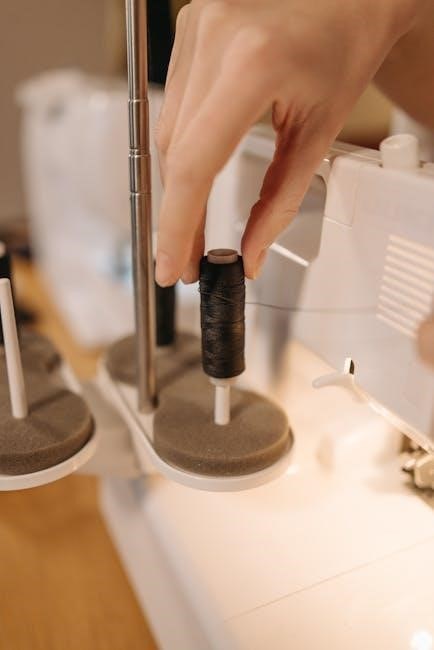
Threading a vintage White sewing machine requires patience and a clear instruction manual‚ as procedures differ between models․ Begin by raising the presser foot․ Next‚ guide the thread from the spool pin‚ through the first thread guide‚ and down to the tension discs—ensure it’s firmly seated․
Continue threading through the take-up lever‚ then down to the needle bar․ Finally‚ thread the needle from front to back․ Refer to online resources‚ like TikTok demonstrations‚ for visual assistance․ Always double-check that the thread is correctly positioned in each guide to avoid issues․ A properly threaded machine is crucial for consistent stitch quality․
Threading Variations for Different White Models
White sewing machine threading isn’t uniform; variations exist across models like the Fair Lady and the 764 Worlds Fair․ The instruction manual is vital‚ as the path differs․ Some models feature an additional thread guide or a unique take-up lever configuration․
The 41‚ 43‚ and 77‚ while sharing a base‚ may have slight threading adjustments․ Always consult model-specific diagrams․ Incorrect threading leads to skipped stitches or tension problems․ Online forums offer model-specific guidance‚ supplementing the manual․ Careful observation and comparison with diagrams are key to successful threading․
Troubleshooting Threading Issues
Threading problems with White sewing machines are common‚ but often solvable․ If the machine jams‚ re-thread carefully‚ ensuring the thread is seated correctly in each guide and the tension discs․ Consult your instruction manual for diagrams․ A frequently broken thread suggests incorrect threading or a burr on a thread guide․
Skipped stitches often relate to threading errors․ Ensure the needle is correctly threaded and the bobbin is wound properly․ Online forums can provide model-specific advice․ Always use quality thread and check for obstructions․
Basic Operation and Features
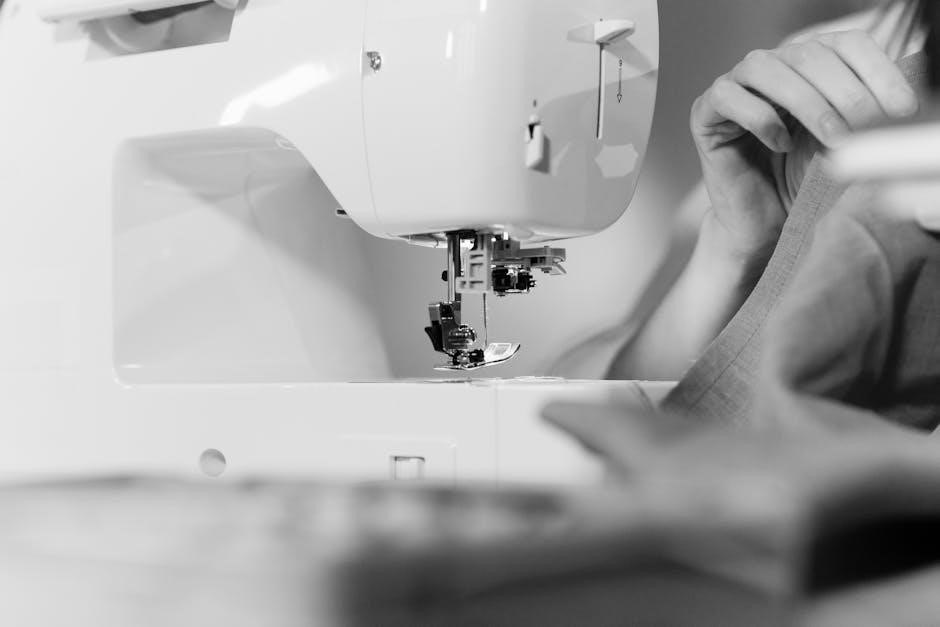
White sewing machines offer simple operation; the instruction manual details stitch selection‚ stitch length/width adjustments‚ and the reverse stitch function․
Understanding these features unlocks the machine’s capabilities for various sewing projects․
Understanding Stitch Selection
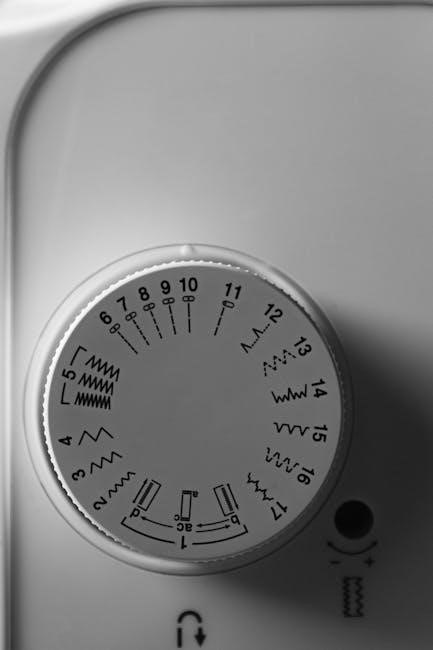
White sewing machine instruction manuals are crucial for deciphering stitch options‚ as models vary․ Typically‚ a dial or set of buttons controls stitch type – straight‚ zigzag‚ and potentially decorative patterns․
The manual will illustrate each stitch and its intended use‚ from basic seams to stretch fabrics․ Older models‚ like the Fair Lady‚ may have limited stitch choices compared to later versions․
Proper stitch selection impacts fabric behavior and seam strength․ Referencing the manual ensures the correct stitch is used for the project‚ preventing puckering or breakage․ Experimentation‚ guided by the manual‚ is key to mastering the machine’s capabilities․
Understanding the stitch width and length settings‚ alongside stitch selection‚ is vital for optimal results․
Adjusting Stitch Length and Width
Your White sewing machine’s instruction manual details how to adjust stitch length and width‚ typically using dials or levers․ Stitch length controls the density of stitches per inch‚ impacting seam strength and appearance; shorter for delicate fabrics‚ longer for heavier materials․
Width adjustments alter the zigzag stitch’s breadth‚ useful for finishing raw edges or creating decorative effects․ The manual will illustrate the range of settings and their corresponding measurements․
Always test settings on scrap fabric before sewing your project․ Incorrect settings can cause puckering‚ skipped stitches‚ or thread breakage․ Refer to the manual for recommended settings based on fabric type and stitch selection․
Using the Reverse Stitch Function
The instruction manual for your White sewing machine explains the reverse stitch function‚ crucial for securing seams at the beginning and end․ Typically activated by a lever or button‚ it allows the machine to sew backward for a short distance․
Engage the reverse function before reaching the seam’s end‚ sew a few stitches backward‚ then release to continue forward․ This creates a “back tack‚” preventing unraveling․
Avoid excessive reverse stitching‚ as it can weaken the seam․ The manual will specify the recommended back tack length for different fabrics and stitch types․ Practice on scrap fabric to master this technique․
Maintenance and Cleaning
White sewing machine longevity relies on regular cleaning‚ oiling‚ and component checks; the instruction manual details these procedures for optimal performance․
Belt and tire replacement are also covered‚ alongside rust removal guidance‚ ensuring smooth operation and preventing future issues․
Regular Cleaning Procedures
Maintaining a White sewing machine necessitates consistent cleaning to remove lint‚ dust‚ and old oil buildup․ Your instruction manual will detail specific areas needing attention‚ but generally‚ begin by unplugging the machine for safety․
Use a soft brush to clear debris from the bobbin area‚ feed dogs‚ and around the needle plate․ A small vacuum with a brush attachment can also be helpful․ Avoid compressed air‚ as it can push debris further inside․
Wipe down the exterior with a slightly damp cloth; never use harsh chemicals or abrasives․ Pay attention to areas around the handwheel and tension dials․ Regular cleaning prevents jams‚ ensures smooth stitching‚ and extends the machine’s lifespan․
Consult your manual for recommended cleaning frequencies․
Oiling and Lubrication
Proper lubrication is crucial for the smooth operation of your White sewing machine․ Refer to your instruction manual for specific oiling points‚ as incorrect lubrication can cause damage․ Generally‚ use a high-quality sewing machine oil‚ not household oil․
Apply a small drop of oil to the bobbin race‚ the shuttle hook‚ and all visible moving parts‚ including the motor bearings (if accessible)․ Avoid over-oiling‚ as excess oil attracts dust and lint․
Wipe away any excess oil with a clean cloth․ Regular oiling‚ typically after every few uses or as recommended in the manual‚ ensures quiet operation and prevents wear and tear․
Consistent lubrication extends the machine’s life․
Belt Replacement
Replacing the belt on your White sewing machine restores power transfer from the motor to the handwheel․ Consult your instruction manual for the correct belt type and specific instructions for your model․ Typically‚ access requires removing the machine’s cabinet or back panel․
Loosen the motor mounting screws to create slack․ Carefully remove the old belt‚ noting its routing around the motor pulley and the flywheel․ Install the new belt‚ ensuring it’s properly seated in the grooves․
Retighten the motor screws and test the machine․ A correctly installed belt should provide smooth‚ consistent operation․
Proper tension is key․
Tire Replacement
The presser foot tire‚ or drive wheel tire‚ on a White sewing machine provides traction for fabric feeding․ A worn tire causes slipping and inconsistent stitching․ Your instruction manual will detail the specific tire size and replacement procedure for your model․
Typically‚ this involves carefully deflating the old tire‚ then using a specialized tool or screwdriver to pry it off the handwheel․ Clean the wheel thoroughly before installing the new tire․
Lubricate the tire with a silicone-based lubricant and carefully work it onto the wheel‚ ensuring a snug fit․ Proper installation is crucial for smooth operation․
Troubleshooting Common Problems
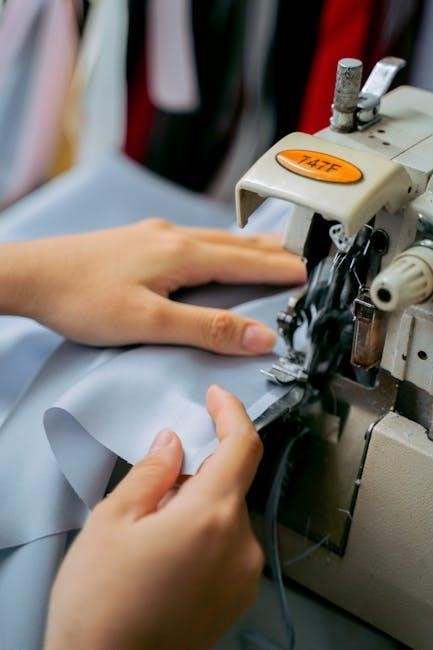
White sewing machine issues like a non-starting motor‚ broken threads‚ skipped stitches‚ or needle breakage often have simple solutions; consult your instruction manual!
Regular cleaning‚ proper threading‚ and oil application are key to preventing these problems․
Machine Won’t Turn On
If your vintage White sewing machine fails to power on‚ the instruction manual is your first resource․ Begin by verifying the power cord is securely connected to both the machine and a functioning outlet․ Check for tripped circuit breakers or blown fuses within your home’s electrical system․
Internally‚ inspect the machine’s wiring for any loose connections or frayed wires – rewiring may be necessary․ A faulty motor is another potential cause‚ requiring professional repair or replacement․ Before attempting any electrical work‚ always disconnect the machine from the power source․ Remember‚ many older machines require cleaning to remove dust and debris that can impede operation․
Consulting online forums or Husqvarna-Viking support can provide model-specific guidance․
Thread Breaks Frequently
Frequent thread breakage in your White sewing machine often indicates a threading issue; consult your instruction manual for the correct path․ Ensure the thread spool is properly seated and unwinding smoothly․ Check the needle – is it the correct type and size for your fabric and thread? A dull or damaged needle is a common culprit․
Incorrect tension settings can also cause breaks․ Refer to the manual for guidance on adjusting both upper and lower tensions․ Verify the thread path is clear of lint and debris; regular cleaning is vital․ Improper oiling can create friction‚ leading to breakage․ Finally‚ ensure the bobbin is wound evenly and correctly inserted․
Skipped Stitches
Skipped stitches on your vintage White often point to needle issues; your instruction manual is the first resource․ Confirm the needle is correctly inserted – fully up into the clamp – and is the appropriate type and size for the fabric․ A bent or dull needle must be replaced․ Check the needle’s eye for burrs or damage․
Incorrect threading is another frequent cause; re-thread the machine carefully‚ following the manual’s diagram․ Ensure proper timing and synchronization of the machine’s components․ Adjust the presser foot pressure; too much or too little can cause skips․ Finally‚ verify the feed dogs are clean and functioning correctly․
Needle Breaks
Frequent needle breakage with your White sewing machine demands immediate attention; consult your instruction manual first․ Using the wrong needle type or size for the fabric is a primary culprit․ Ensure the needle is fully inserted into the clamp and tightened securely․ A bent needle‚ even slightly‚ will likely break․
Incorrect threading‚ particularly if forcing the thread‚ can strain the needle․ Check for obstructions in the needle plate area․ Improper timing or synchronization within the machine can also cause breaks․ Finally‚ avoid sewing over pins or attempting to sew excessively thick materials․
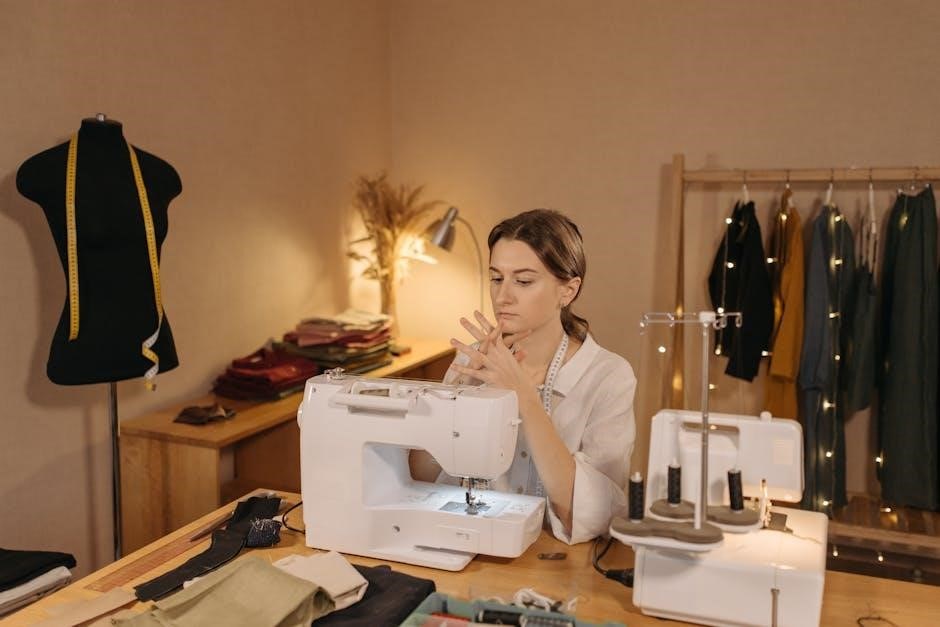
Repairing a White Sewing Machine
Repairing often requires replacement parts; an instruction manual aids disassembly․ Rewiring and addressing rust are common tasks‚ but sourcing parts can be challenging․
Finding Replacement Parts
Locating replacement parts for vintage White sewing machines can be a significant undertaking‚ often requiring patience and resourceful searching․ An original instruction manual‚ if available‚ is invaluable‚ detailing part numbers and diagrams for identification․
Online auction sites like Yahoo! Auctions (formerly Yahoo! Japan Auctions) frequently list vintage parts‚ though verifying authenticity and condition is crucial․ Specialized sewing machine parts retailers‚ both online and brick-and-mortar‚ may stock common components like belts and tires․
Husqvarna-Viking‚ the current owner of the White brand‚ might offer limited support or direct you to potential suppliers․ Forums and online communities dedicated to vintage sewing machines are excellent resources for locating hard-to-find parts and sharing information with fellow enthusiasts․
Rewiring and Electrical Issues
Electrical problems in vintage White sewing machines often stem from aged wiring‚ deteriorated insulation‚ or faulty switches․ A detailed instruction manual‚ if accessible‚ provides wiring diagrams essential for safe and accurate repairs․ Always disconnect the machine from power before attempting any electrical work․
Carefully inspect wiring for cracks or fraying‚ replacing damaged sections with appropriately sized wire․ Online resources and sewing machine forums can offer guidance on identifying components and troubleshooting common issues․
Rust removal may be necessary before rewiring‚ ensuring clean connections․ If unfamiliar with electrical work‚ consult a qualified technician to avoid hazards․
Rust Removal and Restoration
Rust on vintage White sewing machines is a common issue‚ impacting both functionality and aesthetics․ An instruction manual‚ while unlikely to detail restoration‚ aids disassembly for thorough cleaning․ Begin with gentle methods like applying a rust remover specifically designed for metal surfaces‚ following product instructions carefully․
For stubborn rust‚ consider using fine steel wool or a wire brush‚ exercising caution to avoid scratching the finish․ After rust removal‚ protect the metal with a suitable lubricant or paint to prevent future corrosion․
Restoration can involve refinishing the cabinet and polishing chrome parts‚ enhancing the machine’s appearance․
Resources for White Sewing Machine Owners
Online forums and communities offer invaluable support‚ while Husqvarna-Viking may provide limited assistance; finding a dedicated instruction manual is crucial․
Digital archives and vintage sewing machine websites often host scanned manuals for various White models․
Online Forums and Communities
Online forums dedicated to vintage sewing machines are a treasure trove of information for White owners seeking an instruction manual or troubleshooting advice․ These communities‚ often found on platforms like Facebook (groups dedicated to vintage machines) and dedicated sewing machine forums‚ connect enthusiasts willing to share knowledge․
Members frequently scan and upload original manuals‚ offering a digital resource for those missing theirs․ Discussions cover everything from threading techniques and repair tips to identifying specific model variations and decoding serial numbers․
Experienced users can assist with diagnosing issues‚ suggesting replacement parts‚ and even providing guidance on rewiring or rust removal․ These platforms are invaluable for navigating the unique challenges of maintaining these classic machines․
Manuals and Documentation
Locating an original instruction manual for your White sewing machine is paramount‚ but can be challenging․ Many older models predate widespread digital documentation‚ making physical copies highly sought after․ Online archives and auction sites like Yahoo! Auctions (Japan) sometimes list original manuals for sale‚ though availability varies greatly․
Digital scans are often shared within online forums and communities‚ offering a convenient alternative․ However‚ verifying the manual’s accuracy for your specific model – considering variations like the Fair Lady or 764 – is crucial․
Understanding serial number decoding can help confirm compatibility․
Contacting Husqvarna-Viking for Support
Husqvarna-Viking acquired the White sewing machine company‚ making them a potential resource for information‚ though direct access to original instruction manuals can be limited․ Their support channels may offer guidance on identifying your specific model based on the serial number‚ which is vital for accurate assistance․
While they may not readily provide complete scanned manuals for vintage machines like the Fair Lady or 764‚ they might offer troubleshooting advice or point you towards relevant resources․
Be prepared to provide detailed model information when contacting them; patience is key․

Valuing Your White Sewing Machine
White machine value hinges on model‚ condition‚ and included accessories; an instruction manual can slightly increase appeal to collectors‚ but most have limited worth․
Factors Affecting Value
Determining the value of a vintage White sewing machine involves several key considerations‚ and the presence of an original instruction manual is a minor‚ yet positive‚ factor․ Generally‚ these machines aren’t highly valuable‚ with most being of little monetary worth․
However‚ a machine in excellent working order‚ with all original parts – including the manual – will command a higher price․ The specific model is crucial; the 764 Worlds Fair and Fair Lady models often fetch more than standard versions․ Condition plays a significant role; minimal rust‚ clean mechanics‚ and a functional motor are essential․
Completeness‚ including attachments and the manual‚ adds value․ Scarcity also matters; rarer models are naturally more desirable․ Ultimately‚ the market dictates the price‚ so researching recent sales is vital․
Determining Fair Market Price
Establishing a fair market price for a vintage White sewing machine requires diligent research‚ acknowledging that most models hold limited value․ Begin by examining completed listings on platforms like Yahoo! Auctions (formerly Yahoo! Japan Auctions) and online marketplaces․ Search for identical models – 41‚ 43‚ 77‚ or 764 – in comparable condition․
The presence of an instruction manual may add a small premium‚ but isn’t a major driver of price․ Factor in the machine’s operational status‚ cosmetic condition‚ and included accessories․ Consider repair costs if needed․ Remember‚ a pristine Fair Lady will command more than a heavily worn standard model․
Be realistic; most White machines sell for modest amounts․

The Fair Lady Collection
Fair Lady White sewing machines‚ often thrift store finds‚ are desirable vintage models; an instruction manual enhances usability and value for collectors․
These machines represent a stylish era‚ benefiting from proper cleaning and maintenance to restore functionality․
Characteristics of Fair Lady Models
Fair Lady models‚ part of the White Sewing Machine collection‚ are renowned for their decorative aesthetics and smooth operation‚ often featuring floral decals and attractive cabinet designs․ Locating an original instruction manual is invaluable for understanding their unique features and ensuring proper maintenance․
These machines typically utilize a rotary hook system and offer a range of stitch options‚ though variations exist between sub-models; A manual clarifies threading procedures‚ stitch selection‚ and troubleshooting common issues like skipped stitches or thread breakage;
Regular cleaning‚ oiling‚ and occasional belt or tire replacement‚ as detailed in the manual‚ are crucial for preserving their functionality and extending their lifespan․ These machines represent a blend of style and practicality‚ making them cherished possessions for sewing enthusiasts․
Identifying a Fair Lady Machine
Fair Lady machines‚ part of the White Sewing Machine lineage‚ are often identified by their distinctive cabinet designs and decorative features․ A key step in ownership is locating the machine’s instruction manual‚ which provides crucial details for operation and maintenance;
Look for model numbers and serial numbers‚ typically found on a plate affixed to the machine’s body; these numbers help pinpoint the specific model and year of manufacture; The manual will detail the correct threading method‚ stitch selection‚ and troubleshooting steps․
Characteristics include a smooth operating rotary system and often‚ beautiful floral detailing․ Proper care‚ guided by the manual‚ ensures longevity and optimal performance․
White 764 ⎼ Worlds Fair Model
The White 764‚ showcased at the 1964 Worlds Fair‚ demands a specific instruction manual for threading and operation due to its unique mid-century design․
Understanding its features requires referencing the original documentation for optimal performance․
Unique Features of the 764
The White 764‚ a standout from the 1964 Worlds Fair‚ possesses distinctive characteristics demanding careful study of its instruction manual․ This machine‚ often called the “House of Good Taste” model‚ features a streamlined aesthetic reflective of mid-century modern design․
Its construction incorporates robust mechanics‚ but proper operation relies on understanding its specific threading pathways and stitch selection processes‚ detailed within the manual․
Unlike some contemporaries‚ the 764 boasts a unique cabinet design and potentially specialized attachments․ A complete instruction manual is crucial for maximizing its capabilities and ensuring longevity‚ especially regarding maintenance like belt and tire upkeep․
Owners should consult the manual for guidance on troubleshooting and accessing support from Husqvarna-Viking․
Historical Context of the 1964 Worlds Fair
The 1964 New York Worlds Fair represented a pinnacle of American optimism and technological advancement‚ influencing the White 764’s design and marketing․ This era emphasized modern living and innovative appliances‚ making the 764 a symbol of domestic progress․
The Fair showcased cutting-edge products‚ and the 764’s selection as a featured item underscored White’s commitment to quality and design․ Accessing the original instruction manual provides insight into the machine’s intended user experience within this cultural context․
Understanding the Fair’s themes enhances appreciation for the 764’s features and its place in sewing machine history․ Proper operation‚ detailed in the manual‚ reflects the era’s emphasis on efficiency and style․